
Noticed mold or a musty smell? Find out what's behind it.
Share what you've noticed to check available mold remediation options for your property.
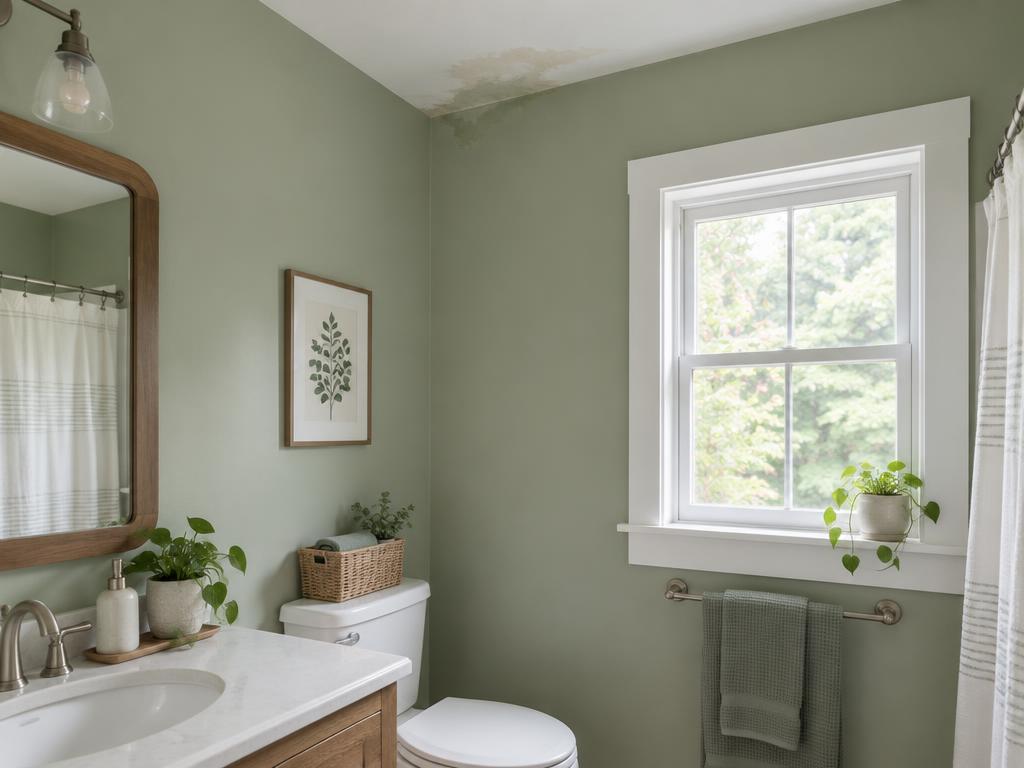
From moisture to assessment
Mold usually follows moisture. This is how a remediation conversation commonly moves from one to the other.
Moisture
A leak, humidity or a past water event.
Growth or odor
What you see or smell is often the first clue.
Assessment
The area and its likely source are reviewed.
Remediation plan
Containment, removal and fixing the source are discussed.
How the mold remediation review works
- 1
What and where
You tell us what you noticed and which part of the home it's in.
- 2
ZIP check
We see which remediation options may be available for your property.
- 3
Talk to a provider
If options exist, you discuss an assessment and the moisture source directly.
What a referral review considers
- Where the growth or odor is located
- Whether the moisture source is known or still active
- Roughly how large the affected area is
- Any previous leaks or water events
- Your property type and ZIP code
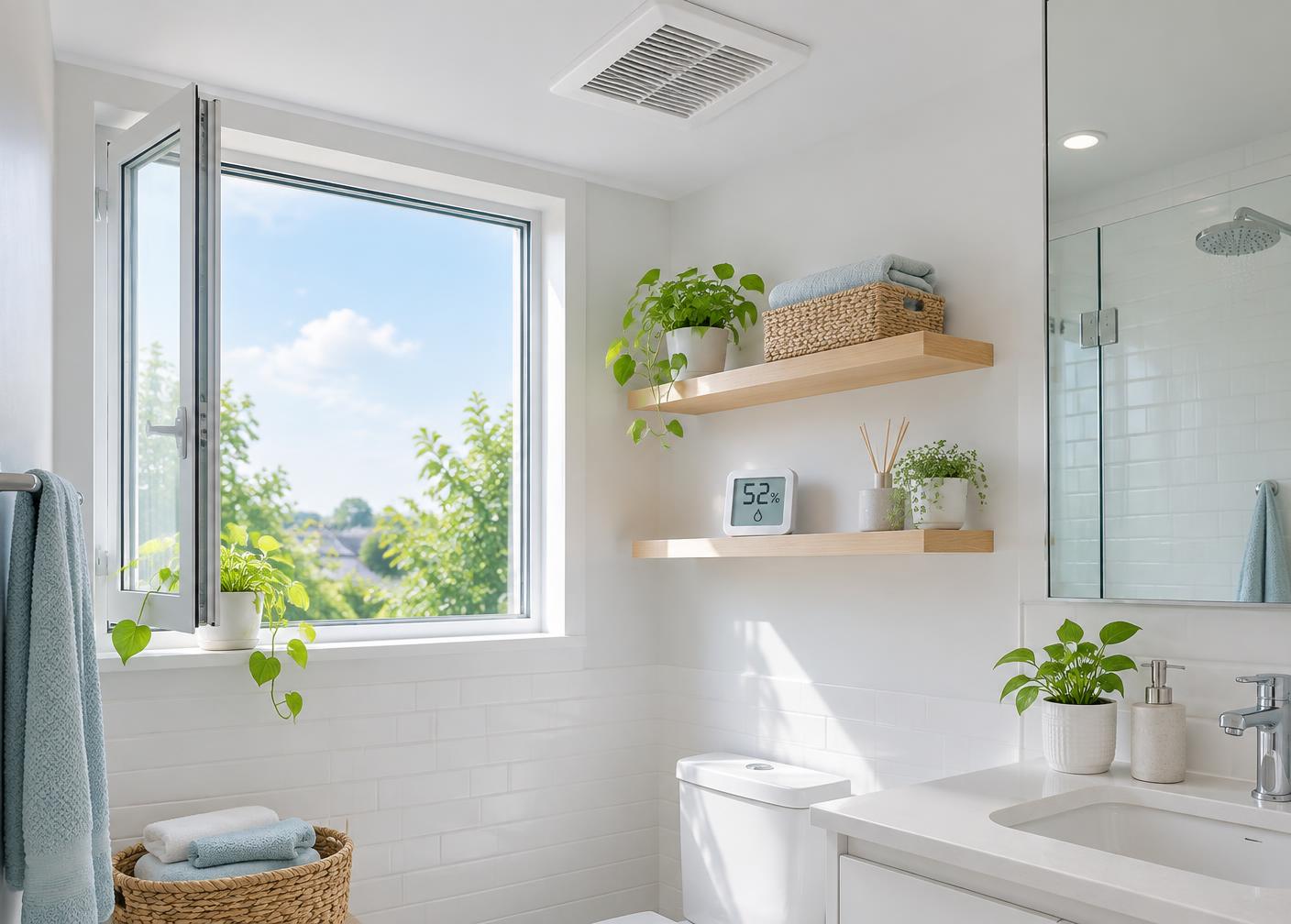
Humidity and airflow go together
Ventilation, a working exhaust fan and a simple humidity monitor are common topics when moisture keeps coming back.
Common areas to bring up
Mold concerns usually follow moisture. These are places people often mention when describing what they see or smell.
Bathrooms
Grout lines, behind toilets, under vanities and around exhaust fans.
Kitchen sink cabinet
Slow drips from drains or supply lines can go unnoticed.
Basements & crawlspaces
Cool surfaces and ground moisture can keep areas damp.
Attics
Roof leaks or poor ventilation can leave staining on sheathing.
Window frames
Condensation that sits on sills through colder months.
Behind furniture
Exterior walls with little airflow behind large pieces.
Humidity and ventilation, in context
Indoor humidity is one piece of the picture. A simple hygrometer can help you notice patterns — it is not a diagnosis.
Lower range
Indoor air that stays drier is generally less favorable to ongoing moisture problems.
Middle range
Many homes sit here; patterns over days matter more than one reading.
Persistently high
Humidity that stays high, especially in one room, is worth mentioning when you talk with someone.
Small habits that support airflow
These are general household practices, not a remedy for an existing concern.
Run exhaust fans
During and after showers and cooking.
Leave space
A small gap between furniture and exterior walls.
Watch for drips
Check under sinks and around appliances occasionally.
Note changes
Write down when a smell or stain first appeared.
We do not provide medical advice. If you have health concerns, talk with a medical professional.
Questions commonly covered
Helpful to think about ahead of time. None of it is required to get started.
- 01Any past leaks or ongoing moisture in the area
- 02How the room is ventilated — fans, windows, airflow
- 03Location: bathroom, basement, attic, closet or wall
- 04Roughly how large the visible area is
Mold remediation questions
Take the first measured step.
Share the details when you're ready.