
Picture the yard you want. Start with what it needs.
Share your landscaping project to check available options for your property.
Zones of a yard
Breaking the property into zones makes the scope easier to describe. Local options vary.
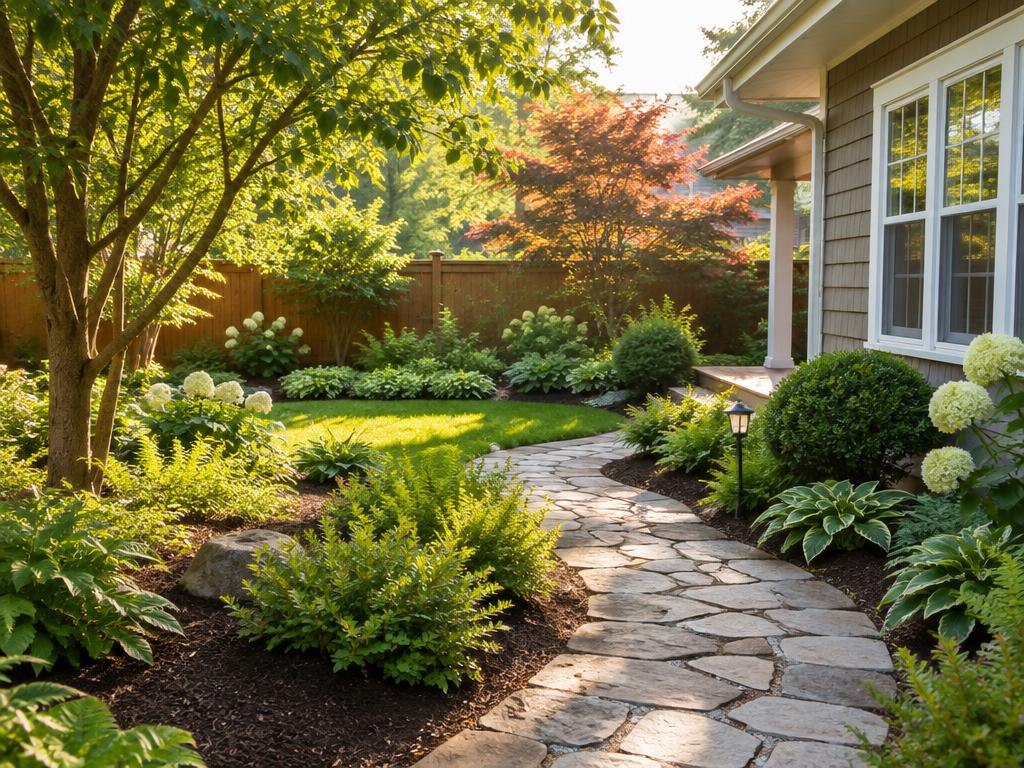
Beds & plantings
Shrubs, perennials, mulch and edging.
Lawn
Turf health, seeding or replacement.
Hardscape
Patios, paths, steps and low walls.
Water
Irrigation lines, drainage and grading.
Property details worth noting
- — Approximate yard size and slope
- — Areas that hold water after rain
- — Trees or features you want to keep
- — Access for equipment (gates, side yards)
- — Any HOA guidelines
How the landscaping review works
- 1
Map the need
Design, cleanup, lawn, hardscape or irrigation — and how much of the yard.
- 2
ZIP check
We see which landscaping options may be available in your area.
- 3
Discuss the plan
If options exist, you talk through scope and timing directly.
Planting, paths and water, planned together
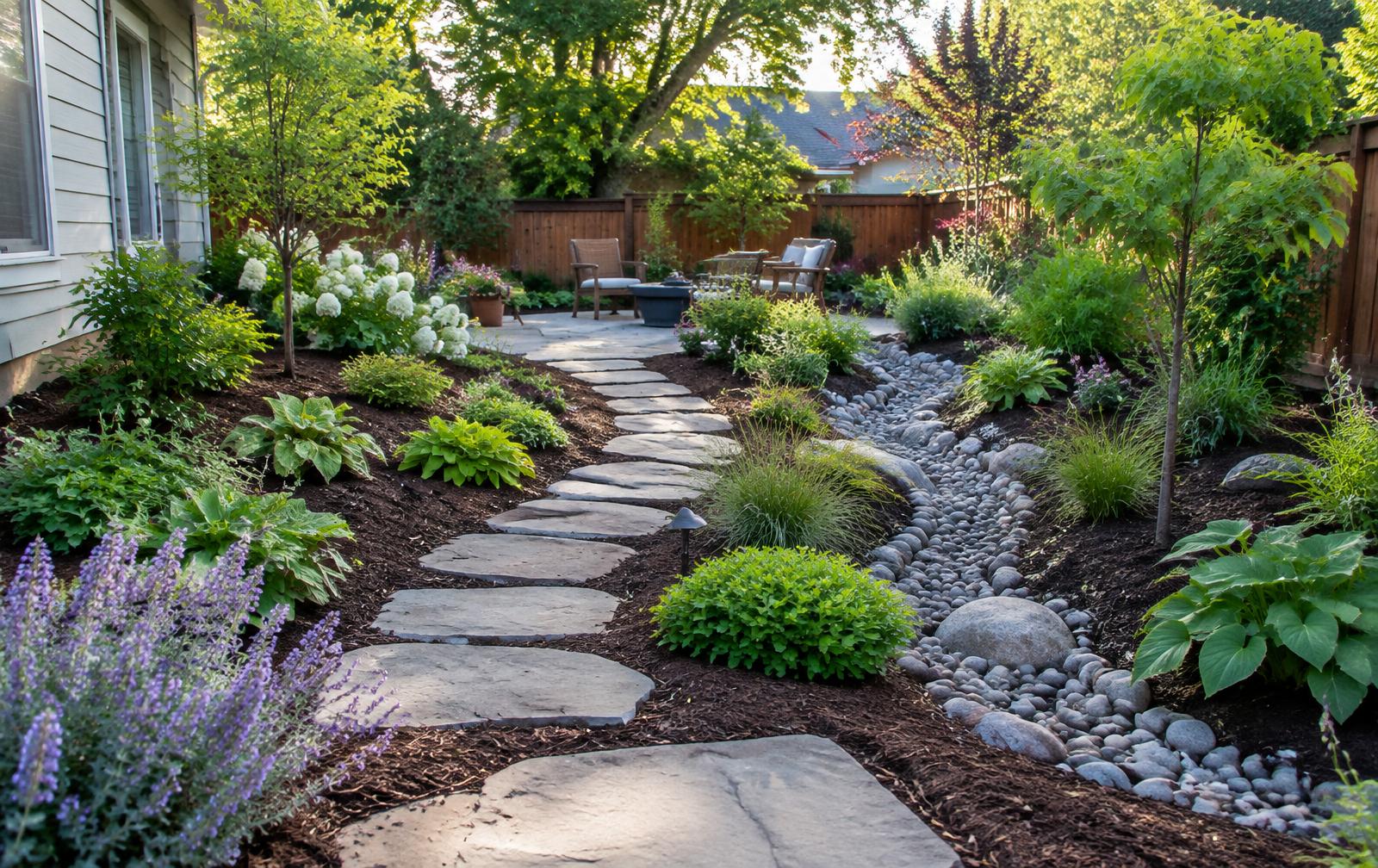
A stepping-stone path, layered beds and a gravel swale can share one plan so rain has somewhere to go.
Seasonal planning band
Spring
Planting window for many shrubs and perennials.
Summer
Watch sun exposure and watering needs.
Fall
Good time to plan beds, paths and drainage.
Winter
Review how water moves; plan hardscape.
Timing varies by region and plant choice.
Three decisions that shape a yard
Most outdoor projects come down to living things, built things and where water goes.
Planting
Sun and shade, soil, how much watering you want to do and how plants will look as they grow.
Hardscape
Patios, paths, edging and walls — the parts that set how you move through the space.
Drainage
Where water collects after rain, which way the ground slopes, and where downspouts empty.
Planning by season
Timing varies by region and weather. These are general patterns to discuss, not a schedule.
- Spring
- A common time to plan, prepare beds and talk through planting.
- Summer
- Watch how sun, shade and heat move through the yard.
- Fall
- Often a good window to discuss planting and cleanup.
- Winter
- Notice drainage and bare structure; plan for the year ahead.
Notes worth jotting down
A few observations make a first conversation much more useful.
Sun map
Which areas get full sun, partial sun or shade?
Wet spots
Where does water stand after rain?
Use
Kids, pets, entertaining, privacy, food growing?
Upkeep
How much time do you want to spend maintaining it?
Before any digging, local utility-locating services should be contacted.
Questions commonly covered
Helpful to think about ahead of time. None of it is required to get started.
- 01How much sun each part of the yard gets
- 02Where water pools or runs after rain
- 03How you want to use each zone — play, dining, quiet, garden
- 04Existing trees, beds or hardscape you want to keep
Landscaping questions
Put your yard plans in motion.
Share the details when you're ready.